About Us
History of Jawai National Park
Experience the Wild Like Never Before
Welcome to Nature Jawai Retreat, your perfect gateway to the untamed beauty of Jawai Leopard Hills Safari in Rajasthan. Nestled in the heart of the Aravalli Hills, we offer an unforgettable leopard safari in Jawai along with a cozy and eco-friendly stay experience.
Here in Jawai, something rare and beautiful exists, a peaceful coexistence between humans and leopards. It’s one of the few places in India where you can witness these majestic wild cats roaming freely around local villages, without fear or conflict.
Why Jawai is Special
Tucked away from the typical tourist trails, Jawai is a hidden gem in Rajasthan. This region is known for its rocky hills, open landscapes, and of course, its wildlife experience. Unlike commercial safari destinations, Jawai offers a raw and real connection with nature. Leopards, hyenas, foxes, and migratory birds share the land with rural communities, creating a rare balance that draws nature lovers from around the world.
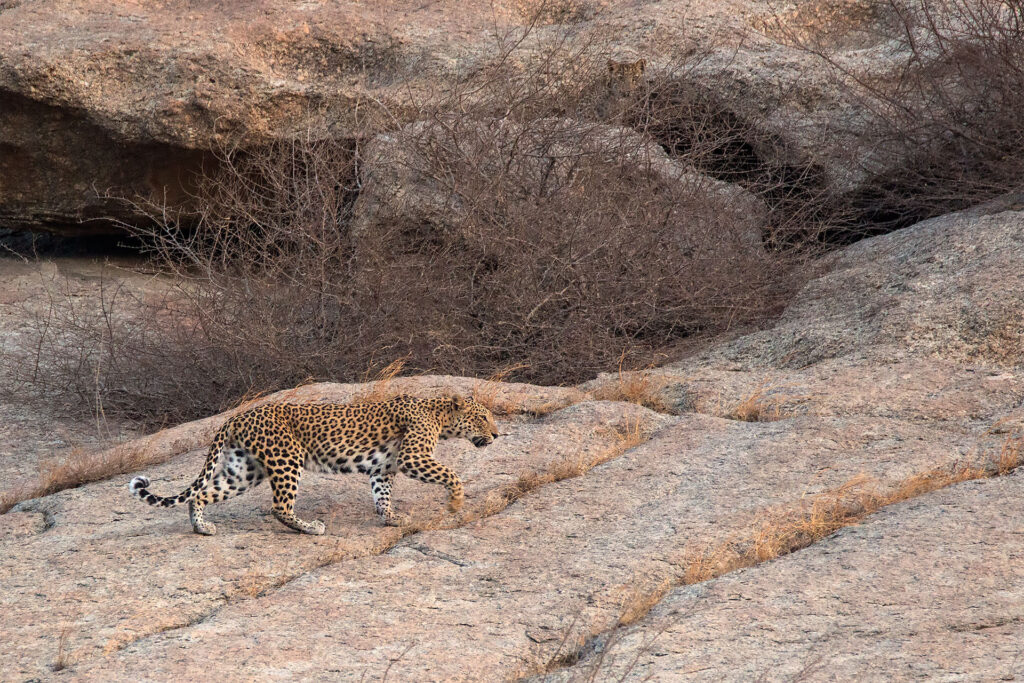
If you’re looking for a unique adventure, the Jawai Leopards Hills Safari offers exactly that, a rare chance to spot leopards against the stunning backdrop of rugged granite hills.
Discover the story behind Jawai’s most authentic wildlife experience
Land of Leopards, or Jawai National Park, is a prominent wildlife sanctuary known for its leopard population in the desert state of India-Rajasthan. Situated in Pali district, learning about Jawai National Park is worth it as it grabs the attention of nature and adventure enthusiasts looking for an immersive wilderness experience. Jawai Park is not just famous for being the best place for sighting leopards. It is also known for the Rabari tribe whose bond with leopards is distinctive.
Jawai Leopard Safari Booking Experience
Jawai National Park in Pali, Rajasthan, is one of the newest wildlife sanctuaries situated between Kumbhalgarh Sanctuary and Aravalli Hills. The park spans across 650 square kilometers and is known for rich biodiversity, specifically for leopards. The highest density of leopards is found in Jawai National Park, so learning about the history of Jawai National Park is immensely important. Jawai Bandh was built by Maharaja Umaid Singh, ruler of Jodhpur at that time, before the government turned it into a wildlife conservation area.
The Jawai region was inhabited for centuries with historical significance as it is near the Jawai Dam constructed in 1957. The dam over the Jawai River is a known feature providing water to the nearby regions. The surrounding rocky terrain and natural landscape support wildlife, including the wild cats and leopards, who have a unique bond with the locals here.
Jawai was not initially a leopard conservation area, but due to protecting the endangered species of leopard here, the Rajasthan state government recognized the importance of preserving the ecosystem, including crocodiles, wild boar, and the many bird species.
Jawai National Park continues to be a model of conservation, blending wildlife protection with sustainable tourism, and remains an important area for leopard conservation.
Why Jawai Is Unique
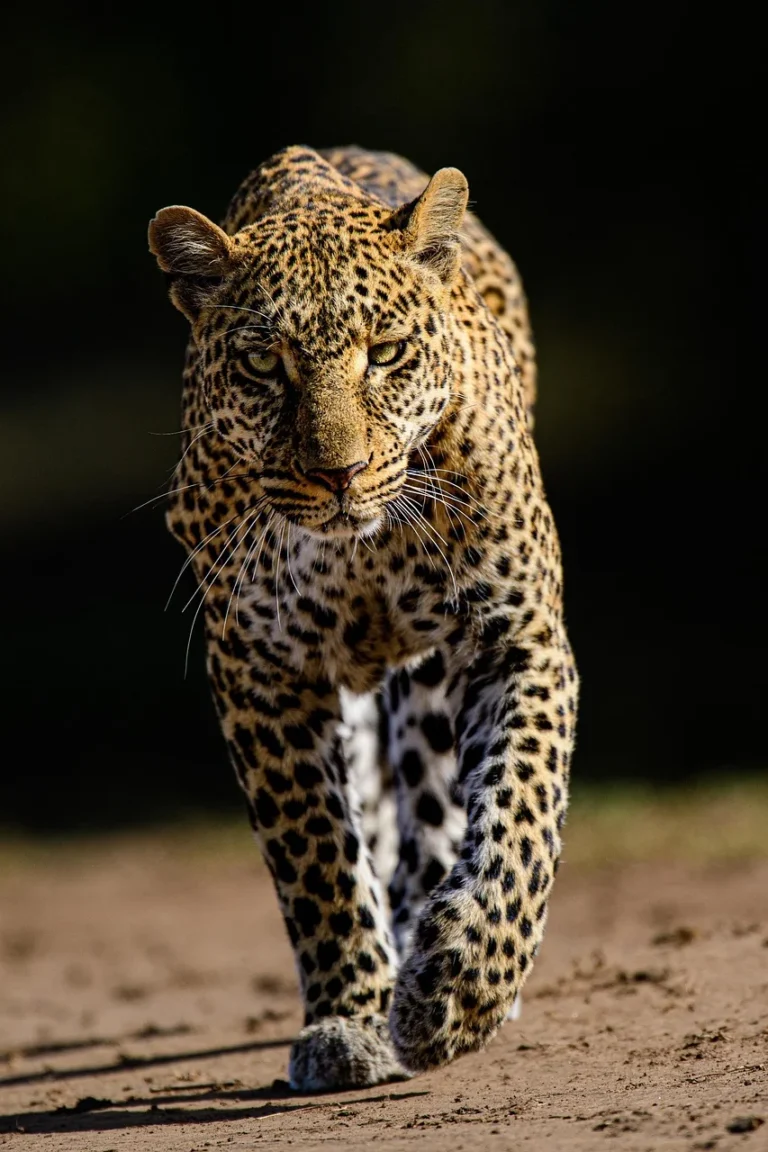
Leopard’s density in this region is the highest, and the bond they share with the locals here is famous. To see these elusive creatures roam in their natural habitat, a Jawai Leopard safari is a perfect option. The leopard safari exposes you to these shy cats playing hide & seek with their family or hunting their prey. Jawai is known for leopards roaming freely in the region, so spotting them is pretty easy. Leopard safari is famous due to the bond the locals have here with these elusive creatures. People spend hours here spotting leopards playing, hunting, interacting with the locals, and more.
Jawai Crocodile Reserve
The Jawai River, flowing 96 km in the north-west direction, is home for spotting the crocodiles in their natural habitat. The stunning water of Jawai is the best place for breeding of Indian Mugger Crocodiles, which is why it is the known crocodile reserve of Jawai. At the crocodile reserve, you will see the reptiles basking and hunting on the river banks. This is an integral attraction for the wildlife enthusiast here. More than 250 crocodiles here make it an adventure sight. Head here during the winter season for enjoying the reptiles soaking in the sun or laying around the dam.
Birding in Jawai
For an avid birdwatcher, wildlife at Jawai holds many species of birds, adding to the beauty here. Birdwatching, especially between October and March, is an activity you should not miss, specifically for migratory birds. The bird species you will see here include raptor families, migratory birds, and the local birds of Jawai, enhancing your birding experience. The major bird species you will find here include the Painted Store, Pelican, Eurasian Roller, Ruddy Shelduck, Purple Heron, Little Cormorant, and more.
Key Attractions
Jawai Bandh
The Jawai River, a tributary of Luni, is an exotic place for capturing the beautiful views of Jawai. It was built in 1946 and was completed in 11 years. It is the biggest dam in the Western Rajasthan region, covering acres of land and offering beautiful views of sunset and sunrise. The dam is known for the beautiful sightings of birds and crocodiles, letting you experience the wildlife at Jawai from here too. The immersive views here will keep you on your toes.
Tribal Tour in Jawai
Rebari tribe in Jawai, natives here rearing cattle and engaging in farming most of their lives, is the heart of this place. The region has been inhabited by the tribe for centuries, guarding the nature and the wildlife here. They are fluent in English and modern technologies but choose to stay here to enjoy the bond between the leopards and the humans here.
The tribal tour in Jawai takes you through the villages, offering an insight into the rural lifestyle of the people here. This ethereal experience where you pass the mud houses allowing everyone to witness their lives is simply amazing. You can also head for a cattle drive with them for an impressive ending to your tour here.
Jawai Hills
Jawai Hills are gigantic granite hills surrounding the village. These were formed naturally years ago and as per the story due to some geological activity. It is now home to many wild animals, offering a great trekking experience for all adventure lovers. Wandering near the rocks is one of the best activities to undertake. Moreover, near the caves, you can also spot reptiles like cobra, python, bats, and other species.
Places to Visit Near Bera Jawai National Park
Dev Giri Temple
Learning about Jawai National Park also includes knowing about the nearby places to Bera Jawai National Park. The first place that stands out is Dev Giri Temple. It is a cave in a sanctuary protecting the goddess. The cave is known as ‘Devgiri’ or ‘God’s own hill.’ Situated amidst granite hills, the carving of the temple is of the stones where leopards and priests have an unsaid bond. The unique bond ensures locals and leopards in the same region without harming each other.
Kambeshwar Mahadev Temple
Kambeshwar Mahadev Temple is another place to visit Bera Jawai National Park. 11 km away from Jawai, it is ideal for the wanderers and religious people. The temple built in the hill center is known for its ascent and height. Head here in November to also enjoy the annual fair, making it a memorable journey.
Abhinav Mahaveer Dham
8 km from Jawai National Park, Abhinav Mahaveer Dham’s architecture is impressive, to say the least. Ideal for tourists requiring solitude, it is one of the most visited places by Jain people.
Ranakpur Jain Temple
Ranakpur Jain Temple was constructed by Darna Shah, who created this temple to realize a dream he had. The temple is constructed on land given by King Rana Kumbha of Mewar in the 14th and 15th centuries. It is one of the five temples considered sacred by Jainis.
Flora and Fauna of Jawai
Jawai National Park is famous for its leopards, true. But the biodiversity of Jawai is wide due to the unique geography and diverse habitat supporting multiple varieties of wildlife. The Flora of Jawai includes other fascinating creatures (not just the wildcats) like the striped hyena, Indian wolf, panther, nilgai, Indian fox, desert fox, Indian eagle owl, mongoose, blackbuck, and the elusive wolf and the hyena.
Jawai is also a haven for birdwatchers as it is home to many migratory birds like pelicans, terns, gulls, lapwings, bush chats, flycatchers, bee-eaters, and more. The Jawai reservoir is also home to flamingos, a rare sight in the desert state.
About Jawai National Park’s flora, one can find plants, shrubs, and trees, including
Acacia species like Babul adapted to the arid condition of the region.
A cacti-like shrub is iconic to the landscape of Jawai.
Kikar, a flowering tree relying on animals to spread the seeds.
Palash trees, Zizyphus, Senna, and others with other medicinal plants.
Conservation Efforts
Leopards are an elusive but beautiful animal; the majestic cats are also endangered due to the conflict between humans and the predatory cats. The Jawai Bandh region has been home to leopards for decades. In order to preserve these wild cats, the government gave the bandh the status of ‘Jawai Leopard Conservation Reserve’ on February 23, 2010.
Conservation efforts by the forest department of Rajasthan include turning the area near the bandh into the Jawai Bandh Leopard Conservation Reserve. The government keeps adding new villages to the wildlife area, ensuring the preservation of these cats, with the recent addition happening in 2018.
The government also declared 645.36 hectares and 47771.00 hectares of land for preserving these elusive cats.
Best Time to Visit Jawai National Park
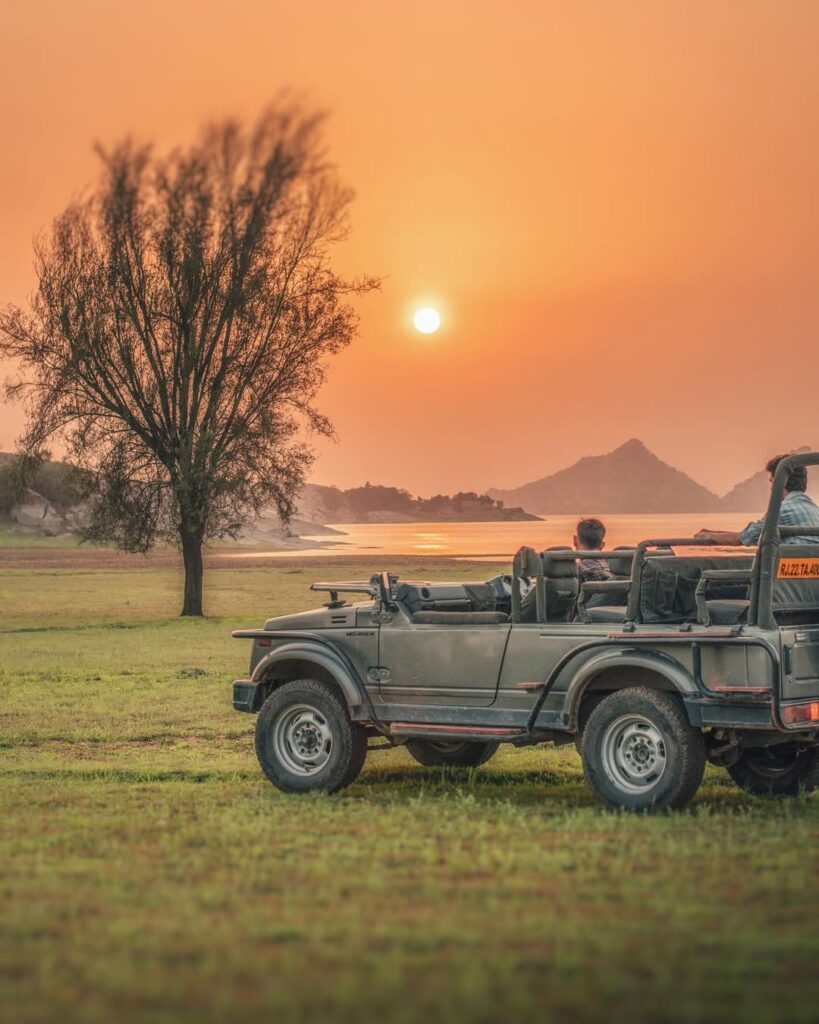
The best time to visit Jawai National Park is between the months of October and early April. The park is open from early September to mid-May annually, and you can head here anytime, but here are a few reasons why these months are ideal for visiting Jawai National Park.
Pleasant weather: The park is situated in Pali, Rajasthan, and the state is known for scorching summers. Thus, the winter months from October to April are ideal as the weather is cool and pleasant. This makes the months ideal for outdoor activities and wildlife sightings.
Leopard spotting: It is the dry season improving visibility, making it ideal for spotting leopards near the rocky areas and water bodies.
Bird photography: The winter months are also ideal for bird photography, as you will witness the migratory birds like pelicans and flamingos.